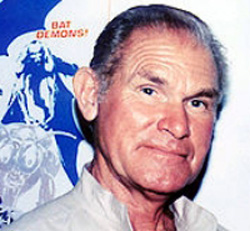
Unmasking Al Adamson Net Worth: The Financial Legacy of a Cult Filmmaker
The name Al Adamson resonates deeply within the annals of cult cinema, conjuring images of low-budget horror, exploitation films, and drive-in movie magic. While his prolific output of B-movies defined a significant era of independent filmmaking, many are curious about the financial standing of such a unique artist. Exploring Al Adamson net worth reveals a story not just of creative output, but also of a shrewd understanding of niche markets and a strategic pivot into new ventures before his tragic demise.
At the time of his passing in 1995, industry estimates placed Al Adamson's net worth at approximately $5 million. This figure, reported by sources like Celebrity Net Worth, might surprise some, given the often-derided "B-movie" label associated with his work. However, this sum reflects a lifetime dedicated to filmmaking, coupled with successful diversification into real estate, painting a complete picture of Albert Victor Adamson Jr.'s financial journey.
The Grindhouse Empire: Al Adamson's Prolific Filmmaking Career
Born on July 25, 1929, Al Adamson was practically destined for a life in cinema. His father, Victor Adamson, was a seasoned low-budget Western filmmaker known by aliases such as Denver Dixon, and his mother, Dolores Booth, also graced their productions. This Hollywood upbringing provided Al with an invaluable apprenticeship, appearing in his father's films before eventually stepping behind the camera himself.
Adamson's directorial debut emerged from an unexpected opportunity: taking over his father's unfinished project, Halfway to Hell (1960/1963). This experience catalyzed his transition into feature directing, setting the stage for a career characterized by tireless drive and an uncanny ability to capitalize on prevailing cinematic trends. By the early 1960s, he co-founded Independent-International Pictures with producer Sam Sherman, a partnership that would become synonymous with grindhouse cinema.
Through Independent-International Pictures, Adamson churned out over three dozen features, carving a unique niche in the exploitation and horror genres. His films, often made on shoestring budgets with quick turnarounds, were staples of drive-ins and regional theaters. They were designed to shock, entertain, and deliver exactly what audiences craved: thrilling, often outrageous, cinematic experiences. Iconic titles include:
- Psycho A-Go-Go (later re-edited as Blood of Ghastly Horror)
- Blood of Dracula’s Castle
- Five Bloody Graves
- Dracula vs. Frankenstein
- Satan’s Sadists
- Horror of the Blood Monsters
Adamson’s innovative approach extended to his personal life, too. He frequently cast his wife, actress and singer Regina Carrol, in many of his productions after their marriage in the early 1970s. This created a powerful synergy, blending their personal and professional lives into the fabric of his filmmaking empire. To delve deeper into the intricate details of his early career and the specific challenges he faced, you might explore al adamson net worth - Article 2.
Deconstructing Al Adamson Net Worth: Sources of Wealth and Strategic Shifts
Understanding the estimated Al Adamson net worth of $5 million requires looking beyond the traditional Hollywood success metrics. Adamson's wealth didn't come from blockbuster hits or major studio deals; it was built on a foundation of volume, efficiency, and a deep understanding of the independent distribution circuit. His core pillars of wealth included:
- Film Production and Directing: His primary income stream stemmed from his prolific output. While individual film budgets were low (often tens of thousands of dollars), Adamson directed, produced, and sometimes wrote and acted in dozens of features. This meant he maintained significant control over his projects and their financial returns. The business model was simple: make films quickly and cheaply, distribute them widely through regional channels and drive-ins, and ensure a profit margin through sheer volume.
- Ownership and Rights: As a co-founder of Independent-International Pictures, Adamson likely retained significant ownership rights to his film library. Over time, these rights could generate revenue through re-releases, syndication, and home video sales, contributing to his long-term wealth.
- Strategic Shift to Real Estate: A crucial factor in Al Adamson's net worth was his decision to retire from filmmaking in the early 1980s. He then shifted his focus toward real estate ventures. This move demonstrated a shrewd business acumen, diversifying his assets and moving into a potentially more stable and lucrative industry. Real estate investments, especially in the growing California market of the 1980s and early 90s, could have significantly contributed to the $5 million figure at the time of his death.
The journey from low-budget filmmaker to a millionaire demonstrates that success isn't solely defined by mainstream acceptance. Adamson mastered a niche, understood its economics, and strategically adapted his career to maximize his financial potential.
The Economics of Cult Cinema
It's important to appreciate the unique economics of the B-movie world Adamson inhabited. These films weren't vying for Oscars; they were designed to fill double features, provide cheap thrills, and offer escapism. The success formula involved:
- Low Production Costs: Minimal crew, often unknown actors, quick shoots, and limited special effects kept budgets incredibly tight.
- Rapid Turnaround: Adamson was known for his efficiency, moving from one project to the next with remarkable speed, ensuring a steady stream of product for distributors.
- Targeted Distribution: Instead of costly national campaigns, his films found their audience through regional distribution, often sold as packages to drive-ins and independent theaters.
- Re-packaging and Re-titling: Sometimes, films were re-edited, retitled, and re-released to new markets or under different genres, extending their revenue-generating lifespan.
This "volume-based" approach, combined with his later real estate investments, allowed Al Adamson to build substantial personal wealth despite never achieving mainstream critical acclaim.
Beyond the Camera: Personal Life, Tragic End, and Enduring Legacy
Al Adamson's life story is as compelling and dramatic as some of his films. His personal life was deeply intertwined with his professional one, particularly through his marriage to Regina Carrol, who became a muse and frequent collaborator. Their partnership lasted from 1972 until her passing in 1992, marking a significant period in both their lives.
After stepping away from filmmaking in the early 1980s, Adamson successfully transitioned into real estate, demonstrating his versatility and business acumen. This period saw him less in the public eye, focusing on his new ventures and building upon his accumulated wealth. His birthday, July 25, became a date for fans to reflect on the life of a man who continually pushed the boundaries of independent cinema.
However, Adamson's life concluded under tragic circumstances. In 1995, he was reported missing for several weeks. Law enforcement officials eventually discovered his murdered corpse beneath a concrete and tile-covered whirlpool bath in his newly remodeled bathroom. The perpetrator was identified as his live-in contractor, Fred Fulford, who was subsequently convicted of the murder. This shocking end cast a dark shadow over his otherwise vibrant and industrious career.
Despite the tragic conclusion, Adamson's legacy in the world of grindhouse and cult cinema remains strong. His films, once seen as mere exploitation, have found a dedicated following among cinephiles and historians who appreciate their raw energy, distinctive style, and historical significance. He is celebrated for his uncompromising vision and his role in shaping a unique corner of American independent film. For a more focused look at the impact of his films on subsequent generations, consider reading al adamson net worth - Article 3.
Lessons from a Low-Budget Luminary: Financial Insights from Al Adamson's Journey
Al Adamson's career offers intriguing insights, particularly when considering his ultimate al adamson net worth. While his path was unconventional, there are universal takeaways:
- Mastering a Niche: Adamson understood his audience and consistently delivered what they wanted. Finding and dominating a specific market, even a niche one, can be highly profitable.
- Efficiency and Volume: His ability to produce films quickly and cost-effectively, rather than focusing on a single high-budget project, ensured a consistent revenue stream. This "many small wins" strategy can be effective in various industries.
- Strategic Diversification: The pivot from filmmaking to real estate was a smart move. It allowed him to leverage his existing capital and skills (like managing projects) into a new, potentially more stable, and profitable venture, significantly contributing to his overall wealth.
- Understanding Distribution: Adamson knew how to get his products to market without relying on traditional, often cost-prohibitive, channels. For any entrepreneur, understanding and controlling distribution is key.
His story underscores that financial success doesn't always come from mainstream acceptance but can be built through relentless effort, adaptability, and a keen eye for business opportunities, even in the most unconventional fields.
Conclusion
Al Adamson's life was a testament to independent spirit, relentless creativity, and shrewd business sense. From his humble beginnings in the shadow of his filmmaker father to becoming a cult icon and, ultimately, a successful real estate investor, his journey was anything but ordinary. The estimated Al Adamson net worth of $5 million at the time of his death reflects not just his prolific output in the grindhouse cinema world but also his intelligent diversification into real estate, securing his financial future. Though his life ended tragically, Adamson's legacy as a true auteur of low-budget horror and exploitation films, and as an astute businessman, continues to inspire and fascinate, cementing his unique place in cinematic and financial history.
