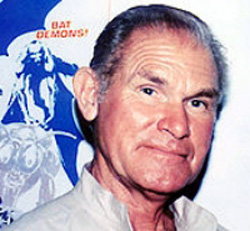
Al Adamson, a name synonymous with the vibrant, often gritty world of independent B-movies, carved out a unique niche in cinematic history. For fans and film historians alike, understanding the trajectory of his career often leads to questions about his financial standing. What was Al Adamson net worth, and how did a filmmaker operating largely outside the Hollywood mainstream accumulate wealth?
Deconstructing Al Adamson's Financial Legacy: A Cult Filmmaker's Net Worth
Albert Victor Adamson Jr., born on July 25, 1929, was more than just a director; he was a one-man film factory, a producer, screenwriter, and even an actor who embraced the ethos of exploitation and horror cinema. His prolific output throughout the 1960s and 1970s cemented his status as a cult figure, but it also laid the groundwork for his financial portfolio. At the time of his passing in 1995, his estimated al adamson net worth stood at approximately $5 million, according to various sources like Celebrity Net Worth.
This figure, while perhaps not reaching the heights of mainstream studio moguls, is significant for someone who deliberately operated on the fringes. Adamson’s wealth wasn't built on blockbusters or critical acclaim, but on a relentless work ethic, a keen understanding of niche markets, and an ability to churn out films efficiently and cost-effectively. To delve deeper into how his net worth was accumulated, we must examine the unique economic landscape of grindhouse cinema and Adamson's strategic approach within it. For a broader overview of his life, you might find al adamson net worth - Article 1 insightful.
From Hollywood Scion to Independent Innovator: The Genesis of His Wealth
Al Adamson was born into film. His father, Victor Adamson, was a low-budget Western filmmaker who often worked under aliases like Denver Dixon, while his mother, Dolores Booth, also graced their productions as an actress. This early immersion in the practicalities of filmmaking, far from the glitz of major studios, provided Al with an invaluable apprenticeship. He made early appearances in his father’s movies and gradually transitioned behind the camera, a move that would define his career.
This upbringing instilled in him a pragmatic, hands-on approach to filmmaking – a characteristic that became a cornerstone of his financial success. He understood how to stretch a dollar on set, how to reuse footage, and how to maximize every resource. This knowledge would later be crucial in founding Independent-International Pictures with producer Sam Sherman in the mid-1960s. This partnership became the primary vehicle for Adamson's creative and financial endeavors, allowing him to bypass traditional studio gatekeepers and directly tap into the burgeoning drive-in and regional cinema markets.
The Business of B-Movies: How Al Adamson Built His Net Worth
Adamson’s path to accumulating his al adamson net worth was paved with an astonishing volume of work. He directed more than three dozen features, many of which became cult classics despite – or perhaps because of – their shoestring budgets and outrageous premises. Films like Psycho A-Go-Go, Blood of Dracula’s Castle, Five Bloody Graves, and the iconic Dracula vs. Frankenstein exemplify his output.
The core pillars of Al Adamson's wealth generation can be attributed to several key strategies:
- Volume and Efficiency: Instead of focusing on one big hit, Adamson's model was built on consistent production. By making multiple films each year, he ensured a steady stream of distribution deals and revenue, even if individual films had modest returns.
- Genre Exploitation: He expertly capitalized on popular genre trends of the era, from biker flicks and go-go dancer films to horror and exploitation. These genres had built-in audiences willing to pay for cheap thrills, ensuring a consistent market for his work.
- Multi-faceted Role: Adamson frequently wore many hats – director, producer, writer, and sometimes actor. This reduced overhead costs by minimizing the need to hire additional key personnel, effectively increasing his personal stake in each project's profits.
- Independent Distribution: Through Independent-International Pictures, he maintained greater control over the distribution and exhibition of his films, allowing him to negotiate more favorable terms and retain a larger share of the earnings compared to filmmakers working under major studios.
- Strategic Casting: His marriage to actress and singer Regina Carrol in the early 1970s was not only a personal union but also a creative and, arguably, a financial one. Casting Carrol in multiple productions like Dracula vs. Frankenstein and Brain of Blood provided him with a reliable leading lady who understood the demands of low-budget filmmaking and potentially reduced casting costs.
Beyond his prolific film career, Adamson also demonstrated business acumen by transitioning into real estate ventures in the early 1980s. This strategic diversification of assets likely contributed significantly to his overall financial standing and resilience, cushioning his wealth beyond the unpredictable nature of the film industry. For more detailed insights into his career trajectory, consider reading al adamson net worth - Article 3.
The Impact of Low-Budget Filmmaking on Al Adamson's Net Worth
It's fascinating to consider how a filmmaker who rarely commanded large budgets could accumulate a substantial net worth. The economics of low-budget, independent filmmaking in the 60s and 70s were quite different from today. Drive-ins and regional theaters provided a ravenous market for genre films, often double-billed, making high volume more profitable than high individual film quality in some respects. Adamson understood this landscape intimately.
- Reusing Assets: A common practice in his films was the clever reuse of footage, sets, and even actors across different projects, further maximizing production value while minimizing expenses. This guerrilla filmmaking style was not just a creative choice but a sound financial one.
- Direct-to-Audience Model: By controlling his own production and often distribution, Adamson cut out many layers of middlemen, allowing him to capture a larger percentage of the box office revenue from his films, even if ticket prices were low.
- Cult Following Longevity: While not initially designed for long-term critical acclaim, many of Adamson's films gained cult status over time. This enduring appeal led to consistent home video sales, screenings, and merchandise opportunities, providing long-tail revenue streams that continued to contribute to his estate long after their initial theatrical runs.
Beyond the Grindhouse: Adamson's Diversification into Real Estate
A true testament to Adamson's business savvy was his decision to retire from active filmmaking in the early 1980s and pivot towards real estate. This move speaks volumes about his financial intelligence. The film industry, especially the independent sector, can be volatile. By investing in real estate, he effectively diversified his portfolio, moving from a high-risk, high-reward creative endeavor to a more stable asset class. This transition likely played a crucial role in safeguarding and growing his accumulated wealth, ensuring that his al adamson net worth remained robust even after stepping away from the camera.
Conclusion: The Enduring Financial and Cinematic Legacy of Al Adamson
Al Adamson's journey from a childhood amidst low-budget Westerns to becoming a renowned cult filmmaker and successful real estate investor is a compelling narrative of ambition, adaptability, and business acumen. His estimated al adamson net worth of $5 million at the time of his death reflects a career built not on mainstream glory but on tireless independent production, strategic genre focus, and a savvy diversification into other industries.
He was a master of leveraging limited resources, understanding his audience, and turning consistent output into tangible wealth. While his life ended tragically, his financial legacy, much like his filmography, stands as a testament to the possibilities that exist outside conventional Hollywood, proving that a unique vision, combined with sharp business instincts, can indeed lead to substantial success. His story continues to inspire independent filmmakers and serves as a fascinating case study in the economics of cult cinema.
