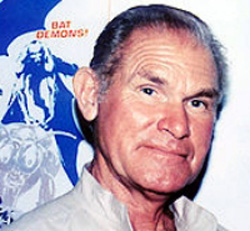
The Cult Filmmaker's Fortune: Unpacking Al Adamson's Net Worth
Al Adamson, a name synonymous with grindhouse cinema and B-movie brilliance, carved out a unique and unforgettable niche in the annals of film history. Born Albert Victor Adamson Jr. on July 25, 1929, this American filmmaker was a quintessential director, producer, actor, and screenwriter, renowned for his prolific output of exploitation and horror films throughout the 1960s and 1970s. While his cinematic legacy is undeniable, many are curious about the financial standing of such a distinctive artist. At the time of his tragic passing, his estimated al adamson net worth was reported to be around $5 million, according to Celebrity Net Worth. This figure reflects a career built on relentless independent filmmaking, shrewd business acumen, and a later pivot into real estate ventures.
Adamson's journey from a childhood steeped in Hollywood's fringes to becoming a cult icon offers fascinating insights into how an independent spirit can achieve significant financial success outside the mainstream studio system. His life was a testament to tireless drive and an unwavering commitment to a specific brand of low-budget, high-impact cinema.
The Grindhouse Maverick: Al Adamson's Filmmaking Journey
Al Adamson’s entry into the world of cinema was practically predestined. He was born into a filmmaking family; his father, Victor Adamson (also known by aliases such as Denver Dixon), was a prolific low-budget Western filmmaker, and his mother, Dolores Booth, often acted in their productions. This upbringing meant Al spent his formative years amidst film sets, making early appearances in his father’s movies before eventually transitioning to roles behind the camera. This familial groundwork laid the foundation for his distinct career trajectory, steering him away from mainstream studios and towards the burgeoning drive-in and regional cinema circuit.
By the early 1960s, Adamson's directorial ambitions solidified. He notably took over his father’s unfinished film, Halfway to Hell (1960), marking his initial foray into feature directing. A pivotal moment arrived when he partnered with producer Sam Sherman to establish Independent-International Pictures. This collaboration became the primary vehicle for Adamson's incredibly prolific output, churning out more than three dozen features that would eventually attain cult status. His filmography reads like a who's who of exploitation cinema, including:
- Psycho A-Go-Go (later re-edited into Blood of Ghastly Horror)
- Blood of Dracula’s Castle
- Five Bloody Graves
- Dracula vs. Frankenstein
- Satan’s Sadists
- Horror of the Blood Monsters
These films, often characterized by their lurid titles, inventive (if rudimentary) special effects, and a willingness to push genre boundaries, became staples of the era's grindhouse theaters and drive-ins. Adamson’s genius lay in understanding his audience and the economics of independent filmmaking. He efficiently leveraged minimal budgets to create content that resonated with a specific, hungry market. This consistent output, even if each film’s individual profit margin was modest, built a cumulative wealth that contributed significantly to his ultimate al adamson net worth.
Deconstructing Al Adamson's Net Worth: Sources of Wealth
When considering the reported $5 million al adamson net worth at the time of his death, it's essential to look beyond the simplistic idea of a filmmaker’s salary. Adamson’s financial success was multifaceted, stemming from various roles within his productions and strategic decisions outside of filmmaking. The core pillars of his wealth creation can be broken down as follows:
Film Production and Directing Fees
As a director, producer, and often screenwriter and actor, Al Adamson wore many hats on his sets. While individual salaries for low-budget films might not compare to Hollywood blockbusters, Adamson's sheer volume of work meant he was consistently earning. His ownership stake in Independent-International Pictures also meant he benefited from the overall success and distribution of his films. The model of creating multiple low-cost films that could be sold to distributors for a steady stream of income was a viable path to wealth in the pre-VHS era, and even more so when re-releases and later home video rights came into play.
Distribution Rights and Residuals
Even though his films were not massive box office hits, they were incredibly popular within their niche. This meant consistent revenue from regional screenings, overseas sales, and eventually, television syndication and home video releases. The "long tail" of B-movies often provides a surprising amount of consistent, albeit smaller, income streams over decades, contributing significantly to a filmmaker’s accumulated wealth.
Strategic Partnerships and Entrepreneurship
Founding Independent-International Pictures with Sam Sherman was a crucial entrepreneurial move. It gave Adamson creative control and a direct share in the profits, rather than just being a hired hand. This independent structure allowed him to manage costs, maximize returns on his investments, and truly build an empire in the grindhouse genre.
Investment Diversification: The Real Estate Pivot
Perhaps one of the most significant, yet often overlooked, factors contributing to Al Adamson’s considerable al adamson net worth was his shrewd decision to retire from filmmaking in the early 1980s and redirect his focus towards real estate ventures. Many creatives struggle to transition from their primary field, but Adamson demonstrated a keen business sense by investing his earnings into a more stable asset class. Real estate can be a powerful engine for wealth accumulation, especially during periods of growth, and this diversification undoubtedly provided a significant boost to his overall financial portfolio, securing his future well beyond his active filmmaking years.
Beyond the Camera: Personal Life and Business Acumen
Al Adamson's personal life often intertwined with his professional one, most notably through his marriage to actress and singer Regina Carrol. They married in the early 1970s, and Carrol quickly became a recurring presence in many of his productions, solidifying both a creative and personal partnership. This collaboration likely offered mutual benefits, providing Adamson with a talented and dedicated lead actress while offering Carrol consistent work within a stable production environment.
However, it was Adamson's post-filmmaking career that truly highlights his astute business acumen. After producing his final film, *Lost* (1983), he made a decisive shift away from the camera. This transition wasn't into leisurely retirement but into the demanding world of real estate. This move speaks volumes about his understanding of financial growth and asset diversification. Instead of simply relying on past film earnings, he actively sought new avenues for wealth creation, transforming his accumulated capital into tangible assets. This strategic pivot undoubtedly played a significant role in the robust $5 million al adamson net worth he commanded at the time of his passing.
His story, tragically ending with his murder in 1995 at the hands of his live-in contractor Fred Fulford, underscores a life filled with both creative triumph and unexpected misfortune. Yet, the financial foundations he built through decades of industrious work and smart investments remained.
The Enduring Legacy and Financial Insights from Al Adamson's Career
Al Adamson's legacy extends far beyond the blood-soaked reels of his cult classics. He remains a powerful symbol of independent filmmaking, demonstrating that success isn't solely defined by mainstream acceptance or massive budgets. His career offers several valuable financial and entrepreneurial insights:
- Niche Specialization and Market Understanding: Adamson excelled by identifying and serving a specific, underserved market. Instead of trying to compete with Hollywood, he created his own niche in exploitation and horror, ensuring consistent demand for his product.
- Volume as a Strategy: While individual films may not have been blockbusters, the sheer volume of Adamson’s output ensured a steady stream of revenue. He understood that consistent, modest profits across many projects could accumulate into substantial wealth over time.
- Entrepreneurial Control: By co-founding Independent-International Pictures, Adamson maintained significant creative and financial control. This allowed him to manage budgets effectively, retain ownership, and maximize his share of the profits.
- Adaptability and Diversification: His seamless transition from filmmaker to real estate investor exemplifies the importance of adaptability and diversifying income streams. Relying on a single source of income can be risky; exploring new ventures can fortify one's financial standing.
- The Long Tail of Cult Appeal: Many of Adamson's films continue to find new audiences through re-releases, streaming platforms, and critical re-evaluation. This enduring cult appeal demonstrates how niche content can generate value and revenue far into the future, contributing to an artist's long-term wealth, even posthumously.
In conclusion, Al Adamson's life story is a compelling narrative of creativity, perseverance, and financial savvy. From inheriting a passion for film in a Hollywood-adjacent upbringing to becoming a prolific B-movie director and then a successful real estate investor, his path was anything but ordinary. The estimated $5 million al adamson net worth at the time of his death is a testament not just to his tireless work in cinema but also to his prudent financial decisions and ability to adapt and thrive beyond the confines of a single industry. His impact on grindhouse cinema is undeniable, and his financial journey offers a blueprint for independent success built on a foundation of hard work, strategic choices, and an unwavering commitment to one's vision.
